What Does an International Trade Agent Actually Do?
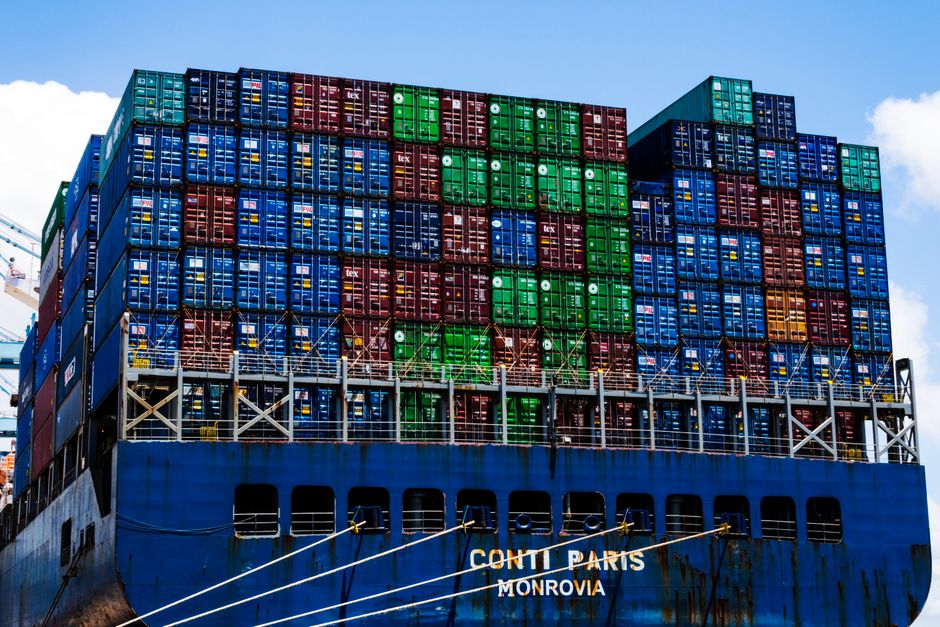
An international trade agent finds buyers and distributors in foreign markets, negotiates contracts, coordinates logistics, and manages the regulatory requirements that come with cross-border sales. The agent acts as an extension of your business in markets where you lack local presence, relationships, or expertise.
Finding buyers and distribution partners
The first responsibility is identifying who will actually sell or stock your product in the target country. This means researching potential distributors, wholesalers, retailers, or direct buyers who match your product category and price point. The agent reaches out to these contacts, qualifies their interest and capacity, and arranges introductions. For a food brand entering Europe, the agent might approach specialty importers, supermarket chains, or online retailers depending on the product and strategy.
This work requires local market knowledge. An agent knows which distributors handle competing products, which retailers are expanding their assortment, and which buyers respond to cold outreach versus trade show meetings. They also understand cultural and business norms that affect how deals get done.
Negotiating terms and closing deals
Once a potential partner shows interest, the agent negotiates pricing, payment terms, minimum order quantities, exclusivity clauses, and delivery schedules. They work to secure terms that protect your margins while meeting the expectations of the foreign buyer. The agent also clarifies who handles duties, tariffs, insurance, and shipping costs, since these details vary widely by country and contract type.
Negotiations often involve back-and-forth over months. The agent manages this process, escalates decisions that require your approval, and keeps the deal moving toward a signed agreement.
Managing logistics and shipping
International trade agents coordinate the physical movement of goods from your facility to the buyer's location. This includes selecting freight forwarders, arranging export packing and labeling, booking container space, and ensuring products arrive on schedule. The agent tracks shipments, handles documentation like bills of lading and commercial invoices, and resolves delays or damage claims.
For perishable or regulated goods, logistics become more complex. The agent ensures cold chain requirements are met, that products clear customs without holds, and that any inspection or testing requirements are satisfied before goods leave the port.
Handling compliance and regulatory requirements
Every country has its own import regulations, labeling standards, safety certifications, and tariff classifications. The agent identifies what your product needs to enter the target market legally. This might include ingredient declarations, voltage certifications, country-of-origin markings, or pre-market approvals from government agencies.
The agent does not usually act as a licensed customs broker or regulatory consultant, but they coordinate with those specialists and make sure filings happen on time. They also flag regulatory risks early, so you can adjust formulations, packaging, or documentation before shipping.
Conducting market research and strategy
Before entering a new market, the agent researches demand, competition, pricing norms, and distribution channels. They assess whether your product fits the market as-is or needs adaptation. This research shapes the go-to-market plan: which cities or regions to target first, what price point will be competitive, and whether to pursue retail, foodservice, or e-commerce channels.
Ongoing research helps the agent spot trends, new competitors, or regulatory changes that affect your sales. For example, if a tariff increase is proposed or a competitor launches a similar product at a lower price, the agent flags it and recommends a response.
Providing local market presence and support
Buyers and distributors prefer working with someone who understands their market and can respond quickly. The agent serves as your local point of contact, attending trade shows, visiting retail locations, meeting with partners in person, and troubleshooting issues as they arise. This presence builds trust and keeps relationships active.
The agent also handles follow-up after the initial sale: reorders, product training, marketing support, and resolving complaints or returns. Consistent communication and support make the difference between a one-time shipment and a long-term partnership.
Setting up and managing an export operation
For businesses new to exporting, the agent often builds the systems and processes needed to sell abroad repeatedly and profitably. This includes setting up international payment methods, creating export documentation templates, establishing relationships with freight forwarders and insurers, and training internal staff on export procedures.
Some agents, like OutsourcedExport, structure their services so involvement decreases as the business gains experience and hits sales milestones. The goal is to create a working export operation the company can eventually manage on its own, rather than a permanent dependency on the agent.
When agents specialize
Some international trade agents focus on specific industries, regions, or functions. An agent specializing in food and beverage might have deep relationships with importers and knowledge of FDA, USDA, and foreign food safety regulations. A regional specialist might cover only Southeast Asia or Latin America, with language skills and local networks in those markets.
Other agents offer a narrower scope, such as lead generation and distributor prospecting, while the client handles negotiations and logistics internally. The responsibilities depend on what the business needs and what the agent is equipped to deliver.
What trade agents do not typically do
Trade agents generally do not take ownership of inventory, assume financial risk for unsold goods, or provide financing to buyers. Those functions belong to distributors or trading companies. Agents also do not usually handle product manufacturing, quality control, or product development, though they may provide feedback from the market that informs those decisions.
Licensing, legal representation, and tax filings in foreign countries typically require separate professionals. The agent coordinates with these specialists but does not replace them.
Frequently asked questions
Do international trade agents take ownership of the products they sell?
No, most trade agents work on a commission or fee basis and do not buy inventory. They represent your business and facilitate sales, but the goods remain your property until sold to the end buyer or distributor.
How is an international trade agent different from a freight forwarder?
A freight forwarder arranges shipping and handles logistics documentation. A trade agent finds buyers, negotiates deals, and manages the commercial side of exporting. Agents often work with freight forwarders to coordinate shipments.
Can a trade agent help with entering the U.S. market from abroad?
Yes, agents can work in both directions. An agent based in or familiar with the U.S. market can help foreign companies find American buyers, navigate FDA or USDA requirements, and establish distribution channels.
What happens if a deal falls through after the agent has done work?
Most agents charge retainer fees or milestone-based payments in addition to commission, so they are compensated for research, outreach, and negotiation work even if a deal does not close. The fee structure should be clear in the agreement.
Do I need a separate agent for each country I want to enter?
Not always. Some agents cover multiple countries within a region and have networks across borders. Others specialize in one market. The decision depends on the complexity of each market and the agent's capabilities.