Trade Agent vs Distributor vs EMC: Key Differences
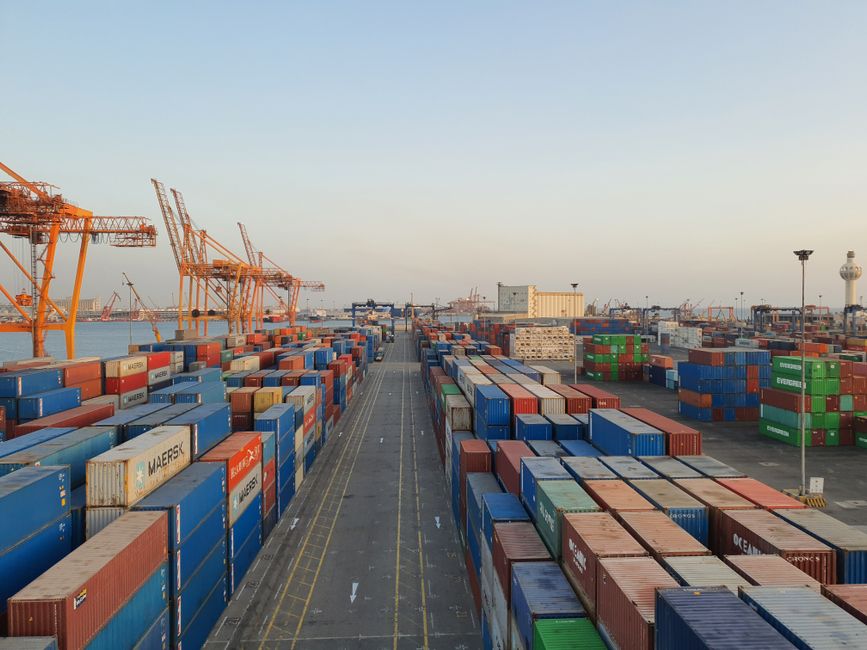
A trade agent represents your company abroad and earns commission on sales they facilitate, but never owns your products. A distributor buys your products outright and resells them in their market, taking ownership and pricing control. An export management company (EMC) acts as your external export department, handling everything from research to compliance, typically on retainer or performance fees.
Who Owns the Inventory
A trade agent never takes title to your goods. They introduce buyers, negotiate terms, and manage relationships on your behalf. You ship directly to the end customer or buyer, and the agent collects a percentage of the sale. Distributors purchase products from you at a wholesale price, hold inventory in their warehouse, and resell at their own markup. The distributor owns the stock, sets retail prices, and absorbs the cost if products do not sell. An EMC does not own inventory either. They coordinate the export process and may arrange shipments, but title stays with you until it transfers to the foreign buyer.
Who Controls Pricing and Branding
With a trade agent, you retain control over pricing, brand presentation, and customer terms. The agent presents your offer and reports back, but final decisions remain yours. A distributor sets their own prices in the local market. You sell to them at an agreed wholesale rate, and they decide what markup to add and how to position your brand in stores or to end users. This can mean less control over how your product appears and what customers pay. An EMC keeps you in control. They execute your strategy and may recommend pricing based on market research, but you approve the terms and maintain ownership of the brand narrative.
Scope of Services
A trade agent focuses on sales and relationship management in a specific territory. They connect you with buyers, handle negotiations, and sometimes provide market intelligence, but they do not typically manage logistics, compliance paperwork, or broader market entry strategy. A distributor handles logistics within their territory, including warehousing, local delivery, and often after-sales support, but their primary job is moving product they have already purchased. An EMC provides the widest scope. Services can include market research, regulatory compliance, finding distributors or retailers, setting up sales channels, managing documentation, and ongoing campaign execution. OutsourcedExport, for example, offers market research, distributor development, compliance coordination, retailer prospecting, and localized marketing as part of an outsourced export team.
Payment Structure
Trade agents earn a commission, usually a percentage of each sale they help close. The rate varies by industry and region but typically falls between 5% and 15%. You pay only when a sale happens. Distributors pay you upfront for the goods at the agreed wholesale price. Their profit comes from the margin between what they paid you and what they charge customers. There is no ongoing commission. EMCs use several models. Some charge a monthly retainer, others work on commission similar to agents, and some combine both. OutsourcedExport's Start Exporting solution uses a sliding-fee structure where involvement and fees decrease as international sales reach agreed milestones, transitioning you toward owning the export operation.
Risk and Commitment
A trade agent arrangement carries low financial risk for you. The agent does not buy inventory, so you are not exposed to unpaid invoices or unsold stock in a foreign market. The risk is mainly opportunity cost if the agent does not perform. A distributor relationship shifts inventory risk to the distributor but introduces different concerns. If they go out of business or stop ordering, you may lose market presence quickly. Exclusivity clauses can lock you into a single distributor per territory, which limits flexibility if the relationship sours. An EMC keeps risk with you, since you still own the goods and control the buyer relationships the EMC develops. The commitment is usually defined by contract terms and performance milestones rather than exclusive territory rights.
Which Model Fits Your Situation
Choose a trade agent when you want to test a market without upfront investment, need local expertise and connections, and prefer to keep control over pricing and customer relationships. Agents work well for high-value or complex products where each sale requires consultation. Choose a distributor when you want a partner to handle logistics and local market presence, can afford to sell at a wholesale price and let them manage the markup, and are ready to commit inventory to a foreign market. Distributors suit products with predictable demand and straightforward fulfillment. Choose an EMC when you lack in-house export expertise, need help with compliance and market entry strategy, want to enter multiple markets without hiring a full team, or need a partner to build the entire export function. EMCs suit established businesses ready to scale internationally but not ready to staff an internal export department.
Combining Models
These roles are not mutually exclusive. An EMC might help you find and vet distributors, then step back as those distributors take over fulfillment. A trade agent in one country might work alongside a distributor in another. Many companies start with an EMC to establish the export framework and processes, then transition to agents or distributors as specific markets mature. The key is understanding what each model does, where risk sits, and how much control you retain, so you can match the structure to your product, market readiness, and growth goals.
Frequently asked questions
Can I work with both a trade agent and a distributor in the same country?
Yes, but define territories or customer segments clearly to avoid conflicts. A common setup is a distributor for retail and an agent for large industrial buyers.
Do I need an EMC if I already have a trade agent?
An EMC can still help with compliance, logistics setup, and entering additional markets. The agent handles sales in their territory; the EMC handles the operational and strategic layers.
What happens if a distributor stops ordering my products?
You lose market access in that territory unless you have another distributor or direct channel. Non-exclusive agreements and performance clauses reduce this risk.
How long does it take an EMC to set up an export operation?
Initial market research and strategy typically take 4 to 8 weeks. Building distributor relationships and closing first sales can take 6 to 12 months depending on the product and target market.
Are trade agent commissions negotiable?
Yes. Rates depend on the product, market, sale complexity, and services the agent provides. Start with industry benchmarks and adjust based on volume and exclusivity.