How Trade Agents Help Businesses Enter and Expand Markets
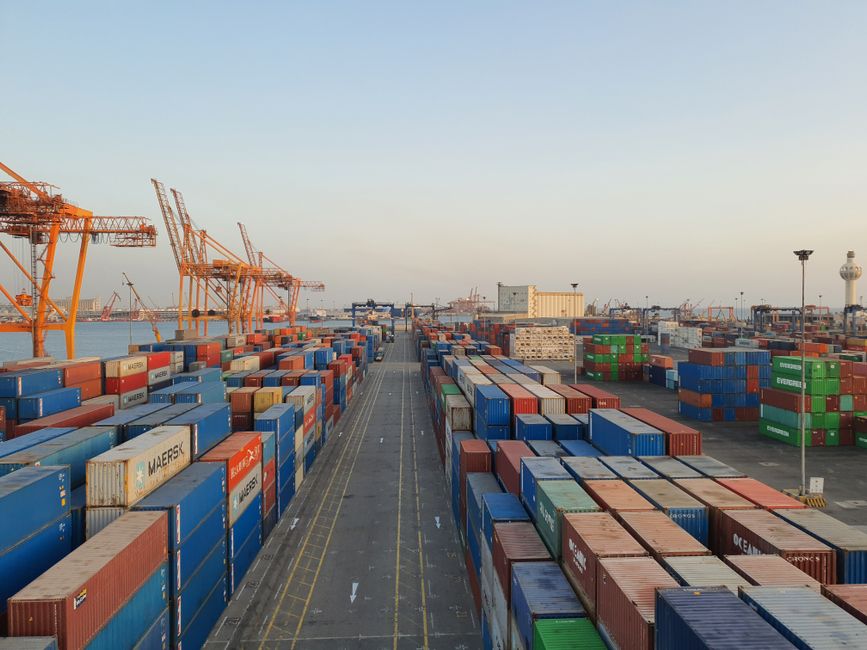
An international trade agent takes on the operational work of entering a foreign market: researching which countries fit your product, finding and vetting buyers or distributors, coordinating compliance with local regulations, and managing the logistics and communication that come with cross-border sales. For businesses without an in-house export team, this means you can start selling abroad without hiring staff or learning every country's import rules yourself.
What a trade agent does during market entry
A trade agent starts by identifying which markets make sense for your product. This means looking at demand, competition, regulatory barriers, tariff costs, and distribution channels in each potential country. The agent narrows the list to markets where your product has a realistic chance and where the cost of entry matches your budget and timeline.
Once a target market is chosen, the agent finds potential partners: distributors, wholesalers, retailers, or direct buyers. This involves building lists of contacts, reaching out, qualifying interest, and setting up introductions. The agent handles the early conversations, answers questions about your product, and filters out leads that won't convert.
Compliance comes next. Every country has its own import regulations, labeling requirements, certifications, and documentation. A trade agent coordinates with freight forwarders, customs brokers, and local regulatory bodies to make sure your product can legally enter and sell in the market. They don't replace a lawyer or a licensed customs broker, but they manage the process and connect you with the right specialists.
OutsourcedExport.com, for example, offers a Start Exporting solution that includes market research, distributor development, and compliance coordination as part of an outsourced export team. Their model is designed for businesses that have never sold abroad and need someone to handle the full process.
How an agent supports expansion in existing markets
If you are already exporting to one or two countries and want to grow, a trade agent adds capacity without requiring you to hire full-time staff. They can prospect new buyers in markets where you already have a presence, help you enter adjacent countries with similar regulations or languages, or take over tasks your current team does not have time for.
Expansion work often includes lead generation, retailer prospecting, trade show follow-up, and localized marketing campaigns. The agent might run targeted advertising in the new market, translate and adapt your sales materials, or set up meetings with potential partners during industry events. The goal is to increase sales volume or geographic reach without pulling your domestic team away from their core work.
For businesses that already have some export sales, OutsourcedExport offers an Expand Existing Exports solution that adds hands and expertise to an operation that is already running. This approach works when you know the basics but need help scaling.
Market research and strategy
Before entering a market, a trade agent conducts research to answer specific questions: What is the market size for your product category? Who are the main competitors? What price points work locally? What are the distribution norms? Are there seasonal factors, cultural preferences, or regulatory hurdles that will affect your product?
This research informs the entry strategy. The agent recommends whether to pursue direct sales, work through a distributor, or partner with a local retailer. They outline the steps, estimate costs, and set realistic timelines. The strategy document becomes the plan you follow, with clear milestones and responsibilities.
Good market research prevents expensive mistakes. It tells you if a market is too competitive, too expensive to enter, or simply not ready for your product. It also reveals opportunities that are not obvious from a distance, like an underserved customer segment or a distribution channel competitors have overlooked.
Finding and vetting buyers and distributors
Identifying potential partners is one of the most time-consuming parts of market entry. A trade agent builds lists using trade databases, industry associations, trade shows, and local networks. They reach out to each contact, explain your product, and assess interest and capability.
Vetting is just as important as finding. Not every distributor that expresses interest is a good fit. The agent checks financial stability, reputation, existing product lines, geographic coverage, and sales capacity. They ask for references, review contracts with other suppliers, and evaluate whether the distributor has the infrastructure to handle your product.
Once a shortlist is ready, the agent arranges calls or meetings, facilitates negotiations, and helps you finalize terms. They stay involved through the onboarding process to make sure the partnership starts smoothly.
Compliance and logistics coordination
Getting a product through customs and onto store shelves requires documentation: commercial invoices, certificates of origin, product certifications, and sometimes health or safety approvals. A trade agent coordinates this process by working with your freight forwarder, customs broker, and any local consultants needed for certifications.
They do not file the paperwork themselves, but they know what is required, who to ask, and how to keep the process moving. If a shipment is delayed or rejected, the agent troubleshoots the issue and finds a solution. This coordination prevents costly delays and keeps your first shipments on schedule.
Compliance also includes labeling and packaging. Some countries require specific language, ingredient lists, warning labels, or recycling symbols. The agent identifies these requirements early so you can adjust your packaging before the first order ships.
Sales and marketing support
Once your product is in a new market, the agent can support ongoing sales efforts. This includes generating leads through online advertising, email campaigns, or partnerships with local influencers. They might manage social media accounts tailored to the local market, run promotions, or coordinate with local PR firms.
For B2B products, the agent prospects retailers, attends trade shows on your behalf, and follows up with leads. They set up meetings, send samples, and answer technical questions. For consumer products, they might help you launch a direct-to-consumer channel by setting up localized e-commerce, managing local payment methods, and handling customer service in the local language.
The level of marketing support depends on your needs and budget. Some businesses want a full campaign; others just need someone to handle inquiries and keep the pipeline moving.
When to use a trade agent for market entry
A trade agent makes sense when you lack the time, expertise, or staff to handle international expansion yourself. If you have never exported before, the agent fills the knowledge gap and manages the process from research to first sale. If you are already exporting but want to enter a new region or grow faster, the agent adds capacity without the cost and commitment of hiring employees.
Trade agents are especially useful for small and mid-sized businesses. Large companies often have in-house export teams, but smaller businesses rarely do. Hiring a trade agent gives you access to the same capabilities without the overhead.
The model works best when you have a product that is ready to sell, a realistic budget for market entry, and a willingness to invest time in the partnership. The agent handles the execution, but you still need to provide product information, approve strategies, and make decisions about pricing, terms, and partnerships.
How the relationship typically works
Most trade agents start with a discovery phase. They learn about your product, your goals, your budget, and any constraints. They assess export readiness: Is your product legally exportable? Do you have the capacity to fulfill international orders? Are your margins high enough to cover export costs?
After the assessment, the agent proposes a plan with specific deliverables, timelines, and fees. Some agents charge flat monthly retainers, others work on commission, and some use a hybrid model. OutsourcedExport, for instance, uses a sliding-fee structure for their Start Exporting solution, where involvement and fees decrease as your international sales reach agreed milestones. The goal is to build a working export operation that you eventually own, not a permanent dependency.
As the work progresses, the agent provides regular updates: market research findings, lists of prospective partners, meeting summaries, and sales pipeline reports. You stay involved in key decisions, like which distributors to sign or which markets to prioritize, while the agent handles the day-to-day execution.
Measuring success
Success in market entry is measured by specific outcomes: signed distributor agreements, first orders shipped, revenue generated, or new retail placements secured. The agent should set clear milestones at the start so both parties know what success looks like.
Early wins might include completing market research, securing your first distributor meeting, or shipping your first container. Later milestones include hitting revenue targets, expanding to additional regions within the market, or achieving profitability in the new market.
Tracking these milestones helps you evaluate whether the partnership is working and whether the investment is paying off. If progress stalls, the agent should identify the obstacles and adjust the approach.
What a trade agent cannot do
A trade agent is not a substitute for a well-made product, competitive pricing, or a realistic business model. They can open doors, but they cannot force buyers to purchase a product that does not fit the market. If your product is too expensive, poorly packaged, or not differentiated from competitors, the agent will struggle to generate sales.
Agents also cannot make legal or financial decisions on your behalf. They coordinate compliance, but you are still responsible for meeting regulations. They negotiate terms, but you sign the contracts. They generate leads, but you decide which opportunities to pursue.
Finally, agents work within the budget and timeline you set. If you want to enter five markets simultaneously on a limited budget, the agent will tell you it is not realistic. Their job is to execute a viable plan, not to promise outcomes that cannot be delivered.
Frequently asked questions
What is the first step a trade agent takes when helping a business enter a new market?
The agent starts with market research to identify which countries fit your product based on demand, competition, regulations, and costs. They narrow the options to markets where entry is realistic and recommend a strategy.
How does a trade agent find buyers or distributors in a foreign market?
The agent builds lists using trade databases, industry associations, and local networks, then reaches out to assess interest and capability. They vet each potential partner for financial stability, reputation, and infrastructure before arranging introductions.
Can a trade agent handle all the compliance and paperwork for exporting?
A trade agent coordinates the compliance process by working with freight forwarders, customs brokers, and local specialists, but they do not file paperwork themselves. They manage the process and make sure all required documentation and certifications are in place.
How long does it take to enter a new market with a trade agent?
Timelines vary by market complexity, product type, and regulatory requirements. Initial market research and strategy can take a few weeks, while finding and signing a distributor might take several months. First sales often occur within six to twelve months.
What happens after the first sale in a new market?
The agent continues to support sales growth by generating leads, managing relationships with distributors, handling logistics issues, and coordinating marketing efforts. The goal is to build a sustainable operation that eventually runs with less agent involvement.